Monster Playground: A Handwritten Font for Creative Expression
When I began redesigning my lifestyle blog, I knew the right font could make all the difference. It wasn’t just about aesthetics—it was about creating a tone that felt genuine and inviting. That’s when I discovered Monster Playground, a handwritten script font that exudes fun, quirkiness, and authenticity. Its personality made it perfect for everything from blog headers to printable guides, and it quickly became a key part of my editorial design toolkit.
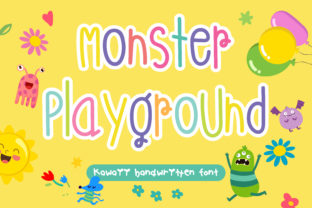
Monster Playground has a distinct visual character. It’s not overly ornate or rigid like many traditional script fonts. Instead, it feels organic, as if someone had sketched it by hand with care and attention. The letterforms have a playful rhythm, with subtle variations in stroke weight and spacing that give it a natural, human touch. This makes it ideal for content where a more personal, approachable feel is needed.
As I worked on a new recipe ebook, I experimented with Monster Playground for the title page and chapter openers. The font added a warm, whimsical energy that matched the cozy, homey vibe of the content. It wasn’t too flashy, but it stood out enough to draw the reader’s eye without overwhelming them. I paired it with a clean serif font for the body text, which created a balanced contrast that enhanced readability while maintaining a cohesive design language.
One of the things I appreciate most about Monster Playground is how it supports visual hierarchy. In a digital magazine layout, I used it for section headings and pull quotes, letting it guide the reader through the content without competing with the main body. It also worked well for newsletter graphics and social media posts, where a bit of flair can help a message stand out in a crowded inbox or feed.
For a wedding guide I was designing, Monster Playground added a sense of charm and intimacy. I used it for the cover text and decorative accents, giving the publication a unique identity that felt both professional and personal. It was especially effective in printable planner templates, where the handwritten style lent a custom, DIY feel that readers loved.
Readability is always a concern with script fonts, and Monster Playground handles it well. While it’s best suited for short-form text like titles and headings, it still maintains clarity even at smaller sizes. I tested it on mobile layouts and found that it rendered smoothly on screens, making it a solid choice for web design and digital publications. For print materials, the font’s legibility was consistent, though I’d recommend using it sparingly in longer passages to avoid fatigue.
When working on a coaching workbook, I used Monster Playground for section titles and motivational quotes. Its expressive nature helped reinforce the uplifting tone of the content, and the font’s alternates and ligatures allowed for creative typographic flourishes. It also paired well with a sans serif font for captions and navigation elements, creating a modern yet approachable look.
Monster Playground belongs to the Script Amp category of fonts, which are known for their expressive, dynamic styles. As a premium font, it offers a range of weights and stylistic alternates that make it versatile for different design needs. I appreciated the multilingual support, which made it a good fit for international audiences or projects with diverse content.
Before finalizing my designs, I checked the commercial licensing details to ensure I could use Monster Playground in my ebook templates and downloadable resources. The terms were clear and flexible, allowing me to incorporate the font into various digital products without restrictions. This was an important consideration, as it meant I could confidently share the font with clients or include it in my own digital downloads.
Overall, Monster Playground is a font that brings a sense of warmth and creativity to any project. Whether you’re designing a blog header, an ebook cover, or a printable guide, it adds a unique personality that sets your work apart. Its balance of charm and clarity makes it a valuable addition to any designer’s font library, especially for those looking to infuse their content with a more personal, authentic feel.
As I continue to explore its potential, I’m excited to see how Monster Playground can enhance future editorial projects. It’s more than just a font—it’s a tool for storytelling, a way to connect with readers, and a reflection of the creative spirit behind every piece of content.